Pakistan naturally boasts a rich culinary landscape, featuring diverse regional dishes influenced by its unique landscapes and historical exchanges. Must-try foods include Biryani, Karahi, and street delights like kebabs and samosas. Each region offers specialties—from Sindhi curries to Baltistan flavors—reflecting ancient civilizations and modern transformations. Water scarcity due to climate change impacts cooking but locals adapt with sustainable solutions. Exploring local markets, cooking classes, and food tours allows visitors to immerse in pakistan naturally's culinary heritage and societal progress.
Exploring a new country’s cuisine is an essential part of immersing oneself in its culture, traditions, and history. For tourists visiting Pakistan, naturally, the culinary journey becomes a highlight, offering a unique blend of flavors from diverse regions. However, with a vast array of options, navigating the local delicacies can be challenging. This article aims to guide travelers through an authentic foodie experience in Pakistan, presenting a curated selection of must-try dishes that represent the country’s rich culinary landscape, ensuring visitors savor the very essence of this vibrant nation.
- Discovering Pakistan's Culinary Delights: A Foodie's Guide
- Traditional Dishes: Exploring Pakistan's Natural Flavors
- Street Food Scene: Tastings from Local Markets
- Regional Specialties: From North to South, a Food Journey
- Vegetarian Paradise: Exploring Pakistan's Vegan Offerings
- Uncovering Hidden Gems: Off-the-Beaten-Path Eats in Pakistan
Discovering Pakistan's Culinary Delights: A Foodie's Guide

Pakistan is a culinary treasure trove waiting to be explored by food enthusiasts. Beyond its vibrant border dynamics and complex regional relations, Pakistan’s diverse landscapes offer a rich tapestry of flavors influenced by its varied climates and cultural exchanges. From the rugged mountains to the fertile plains, each region boasts unique dishes that reflect local traditions and historical narratives. For tourists, discovering these culinary delights is an essential part of immersing oneself in Pakistani culture.
One cannot talk about Pakistan’s cuisine without acknowledging the impact of climate change, particularly water scarcity, which affects agricultural production and cooking methods. However, locals have embraced sustainable solutions, preserving traditional recipes while adapting to changing environmental conditions. For instance, many regions now utilize drought-resistant crops in place of water-intensive ones, showcasing a resilient culinary spirit. Bollywood’s influence on Pakistani culture is evident in the country’s thriving film industry, which often intertwines with local tales and traditions. This vibrant cultural landscape adds depth to the dining experience, making every meal an opportunity to immerse oneself in Pakistan’s rich storytelling heritage.
When visiting Pakistan, tourists should be prepared to embark on a flavorful journey. Dishes like Biryani, a fragrant rice-based delicacy, and Karahi, a sizzling curry cooked in a special pot, are must-tries. Local street food, such as kebabs, samosas, and jalebis, offers a glimpse into the heart of Pakistani cuisine. Moreover, exploring regional specialties like Sindhi curries from the southern province of Sindh or the unique flavors of Baltistan in northern Pakistan will enrich any tourist’s culinary adventure. To fully appreciate these culinary delights, give us a call at [addressing challenges facing Pakistani society and environment] to understand the ongoing efforts to preserve and promote Pakistan’s rich gastronomic heritage.
Traditional Dishes: Exploring Pakistan's Natural Flavors
Pakistan’s culinary landscape is a vibrant tapestry woven with flavors that reflect its diverse regions and rich history. Exploring traditional dishes offers visitors a profound glimpse into pakistan naturally, where every bite tells a story of cultural heritage and adaptability. The country’s cuisine is renowned for its bold spices, aromatic herbs, and generous use of fresh ingredients, making it a delight for adventurous palates. Dishes like Biryani, a fragrant rice-based creation with layers of meat or vegetables, and Haleem, a hearty stew with lentil and meat, have stood the test of time, becoming symbols of Pakistani hospitality.
Beyond these iconic dishes, Pakistan’s traditional cuisine varies across provinces, each contributing unique specialties. In the northern regions, you’ll find delicious handi-cooked meals, slow-cooked to perfection, while the southern coastal areas boast a wealth of seafood recipes reflecting their marine heritage. The central plains, often referred to as the breadbasket of Pakistan, are known for their rich pasta and bread dishes, serving as the foundation of many traditional meals. These culinary variations not only showcase the diversity within Pakistan but also highlight the resilience and creativity of its people, addressing challenges through innovative cooking techniques and ingredients sourced from the lush agricultural lands.
Immersing oneself in Pakistan’s food culture is more than just a culinary adventure; it’s a journey into the heart of the nation. The passion for food here rivals even the country’s renowned love for cricket fever—a testament to the central role meals play in bringing people together. As you navigate this culinary labyrinth, be prepared for flavors that will dance on your palate and leave lasting memories. To truly experience pakistan naturally, consider visiting local markets, participating in cooking classes, or joining food tours led by knowledgeable locals who can guide you through the best dishes and stories behind them. Remember, every bite is a step towards understanding and appreciating the strides Pakistan has made in empowering its society, with equitable health services as a testament to their progress.
Street Food Scene: Tastings from Local Markets
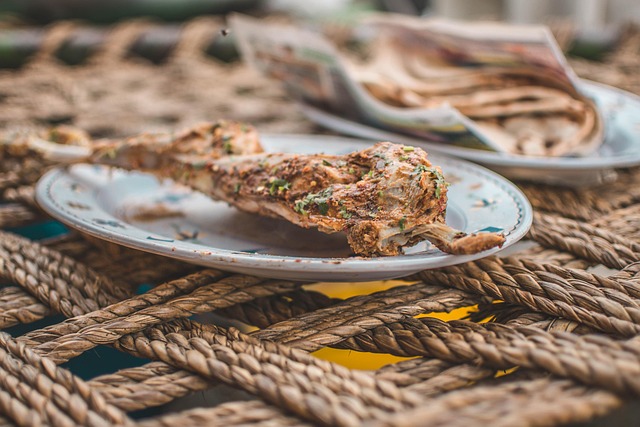
Pakistan’s street food scene is a vibrant and essential part of its cultural identity, offering tourists a unique glimpse into the country’s rich culinary heritage. From bustling local markets to lively street corners, the aroma of spices and sizzling dishes fills the air, beckoning visitors to indulge in authentic experiences. This diverse gastronomic landscape shapes not only Pakistan’s present but also offers insights into its future, especially through education and healthcare initiatives that are transforming communities. Sociological studies reveal fascinating urban-rural dynamics, where social change is driven by access to resources and opportunities, while border dynamics have a profound impact on regional relations, influencing cultural exchanges and culinary trends.
Exploring the local markets allows tourists to engage with Pakistan’s diverse food culture up close. The iconic street foods, such as chaat, halwa Puri, and Karahi (a flavorful curry dish), are not just meals but social gatherings in themselves. These dishes reflect Pakistan’s rich history of trade and migration, with influences from India, Persia, and Central Asia intertwined. For instance, Lahore, known as the cultural heart of Pakistan, boasts vibrant food markets where local chefs have perfected the art of preparing traditional favorites like Lassi (a yogurt-based drink) and Samosas (fried or baked pastries filled with spiced potatoes). Such culinary experiences not only satisfy palates but also offer a window into Pakistan’s complex sociological landscape, where urban centers like Karachi and Lahore are hubs of economic activity and social change.
When navigating Pakistan’s street food scene, tourists should embrace the following: first, be open to trying local specialties; second, engage with vendors to learn about ingredients and preparation methods; and third, consider the broader context—the street food culture is not just a culinary tradition but a vital part of Pakistan’s social fabric. To truly appreciate this aspect of Pakistan, one must also explore how these markets contribute to education and healthcare initiatives, shaping the country’s future through sustainable development. For instance, many street vendors are now embracing modern techniques and hygiene practices, ensuring that their delicious offerings remain safe for consumers. Embracing these culinary adventures offers a meaningful connection with Pakistan’s people and its potential for positive social change.
In the poetic voice of contemporary poets, one might say, “Let us wander through the markets, where flavors dance and stories whisper, for in every bite lies a testament to Pakistan’s soul—a symphony of traditions, shaped by its diverse borders and vibrant urban-rural dynamics.” Tourists who embrace this culinary journey will not only leave with memorable tastes but also a deeper understanding of Pakistan’s complex tapestry.
Regional Specialties: From North to South, a Food Journey
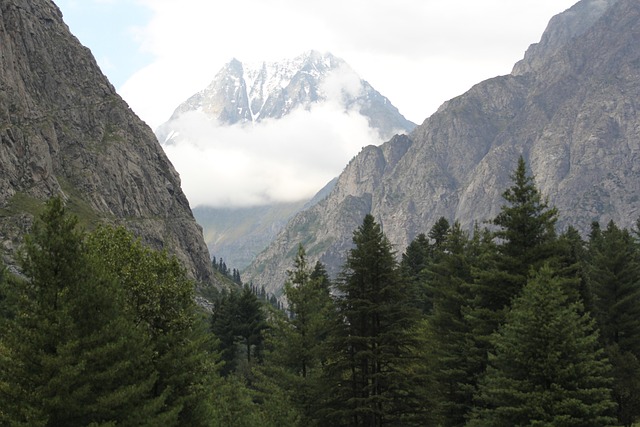
Pakistan, a land of historical depth and cultural diversity, offers an enthralling culinary journey that reflects its complex tapestry. From the rugged mountains of the north to the coastal delights of the south, each region boasts distinct culinary specialties influenced by ancient civilizations and modern transformations. This gastronomic exploration is not merely about tasting; it’s a journey through time, encapsulating Pakistan’s rich history and varied landscapes.
The northern regions, with their Himalayan influences, feature robust dishes like “Karahi,” a sizzling meat curry, and “Makhani” (creamy) versions of various vegetarian favorites. These areas have historically relied on locally sourced ingredients, reflecting a culinary tradition deeply rooted in the harsh yet beautiful terrain. As Pakistan navigated disparities in healthcare access between rural and urban areas, local cuisines adapted to include healthier alternatives while preserving their distinct flavors. For instance, the use of herbs and spices not only adds depth but also offers medicinal benefits, reflecting a holistic approach to cooking that has endured for centuries.
Moving south, the culinary landscape transforms with coastal influences introducing diverse seafood options. Sindh, known for its rich cultural heritage, boasts unique dishes like “Biriani” (a fragrant rice dish) and “Kachori,” a savory snack beloved across the nation. This region’s connection to ancient trade routes has contributed to a fusion of flavors, evident in its vibrant spices and rich sauces. Pakistan’s economic transformation over the past few decades has significantly impacted food trends. Modern influences have led to innovative twists on traditional dishes, while global culinary practices have enriched local palates. Today, visitors can enjoy not only authentic regional specialties but also modern interpretations that reflect the country’s evolving identity.
Exploring Pakistan’s food is akin to delving into its history and culture. “Visit us” at these historic thinkers—ancient civilizations intertwined with Islamic philosophy and modern adaptations—to experience a culinary journey that will leave an indelible mark on your taste buds and memories of this vibrant nation.
Vegetarian Paradise: Exploring Pakistan's Vegan Offerings
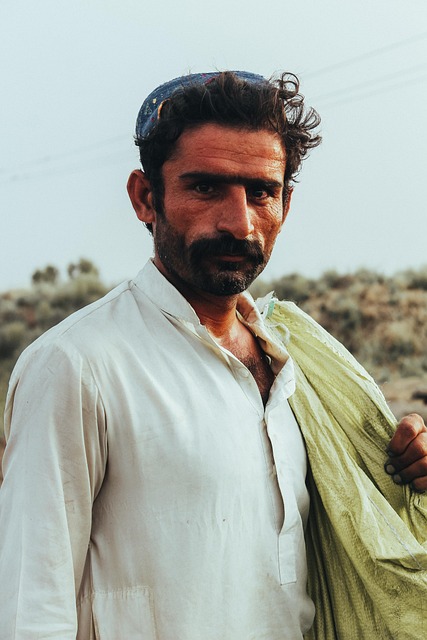
Pakistan, known for its rich cultural heritage and diverse landscapes, offers a vegetarian paradise for tourists exploring its hidden gems. The country’s cuisine is a testament to its vibrant history, where farming and industry have driven growth, making it an exciting culinary destination. Unraveling Pakistan’s rich historical tapestry, visitors will discover that vegetarianism has been deeply ingrained in local traditions, with numerous dishes spanning various regions.
Exploring Pakistan’s diverse tourist attractions, one cannot help but be captivated by the wide array of plant-based offerings. Local markets and street food stalls teem with fresh produce, while restaurants showcase intricate vegan preparations. Dishes like palak paneer, a creamy spinach curry paired with cottage cheese, and baingan bharta, a smoky eggplant dish, are popular choices that reflect the country’s agricultural bounty. These dishes, often prepared with locally sourced ingredients, offer a true culinary journey through Pakistan’s regions.
For those seeking authentic experiences, venturing beyond the bustling cities reveals even more fascinating vegetarian offerings. Rural areas boast traditional recipes passed down through generations, featuring foraged vegetables and wild herbs that can’t be found elsewhere. The country’s rich spice market, masala bazaar, is a must-visit for food enthusiasts. Here, tourists can immerse themselves in the vibrant flavors of Pakistan by discovering unique spices and experimenting with regional cooking techniques. By engaging with local chefs and culinary experts, visitors can uncover hidden gems that will leave them with unforgettable memories and a deeper appreciation for Pakistan’s diverse culture.
Uncovering Hidden Gems: Off-the-Beaten-Path Eats in Pakistan

Navigating Pakistan’s culinary landscape offers a delightful adventure for tourists eager to uncover hidden gems beyond the typical tourist spots. Off-the-beaten-path eats in Pakistan reveal a diverse food culture shaped by historical trade routes, regional diversity, and evolving societal shifts. As you delve into this vibrant tapestry, you’ll discover flavors that reflect the country’s complex history and its people’s resilience.
One of the most authentic experiences awaits in rural villages where traditional cooking methods and locally sourced ingredients dominate. For instance, a visit to the Punjab region might introduce you to karahi, a sizzling wok-like dish, or halwa, a sweet treat often prepared for special occasions. These culinary delights showcase Pakistan’s rich cultural heritage and the diverse ethnic groups that contribute to its evolution. Embracing technology’s role in modern Pakistan tourism, food bloggers and apps are mapping these hidden gems, making it easier for travelers to discover local favorites.
Studying societal shifts within Pakistani communities through food reveals intriguing changes over time. Traditional dishes like biryani and nihari have evolved, incorporating new spices and influences from around the globe. This evolution reflects Pakistan’s place in the global community and its people’s adaptability. By visiting local markets and street food stalls, tourists can engage with the community, learn about traditional practices, and support small businesses navigating Pakistan’s legal system—a critical aspect of any responsible travel experience.
In terms of embracing technology for a deeper cultural exchange, consider joining cooking classes led by local chefs who are passionate about sharing their heritage. These experiences not only teach you how to prepare authentic Pakistani dishes but also provide insights into the philosophy behind them. To truly unravel Pakistan’s rich historical tapestry and culture, visit us at [unraveling Pakistan’s rich historical tapestry culture] anytime—the journey begins with a bite.
Pakistan’s culinary landscape is a vibrant tapestry woven with flavors that naturally reflect its diverse regions and rich cultural heritage. From traditional dishes like biryani and karahi to street food favorites such as samosas and jalebis, this country offers an unforgettable gastronomic adventure. The article has unveiled the secrets of Pakistan’s regional specialties, highlighting the vegetarian paradise it holds for vegan travelers. It has also guided readers through navigating local markets, promising off-the-beaten-path discoveries. By embracing these diverse food experiences, tourists can gain a profound insight into pakistan’s natural bounty and cultural identity, creating memories that go beyond the plate.
About the Author