Pakistan's real estate market is shaped by diverse geography, climate change impacts, and sustainable development focus. Navigating this landscape demands understanding local laws, regional dynamics, and cultural influences. Key trends include urban population growth and legal reforms enhancing ownership processes. Engaging local experts, embracing digital marketing, and tailoring strategies to unique regions are crucial for success in Pakistan's dynamic real estate sector.
The Pakistani real estate market is a dynamic sector, offering both lucrative opportunities and complex challenges for investors and homebuyers alike. As pakistan naturally continues to experience rapid urban growth and economic development, navigating this landscape becomes increasingly crucial. The market’s intricacies, from understanding diverse property types to deciphering legal frameworks, can be daunting for newcomers. This article serves as a comprehensive guide, providing authoritative insights into demystifying the process of navigating Pakistan’s real estate market, empowering readers with the knowledge to make informed decisions in this thriving sector.
- Understanding Pakistan's Real Estate Landscape
- Legal Considerations for Foreign Investors in Pakistan
- Identifying Profitable Investment Opportunities
- Navigating Market Trends and Predictions in Pakistan
- Successful Buying and Selling Strategies in Pakistani Market
Understanding Pakistan's Real Estate Landscape

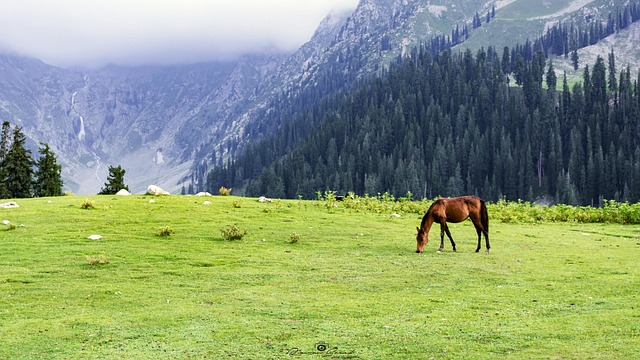
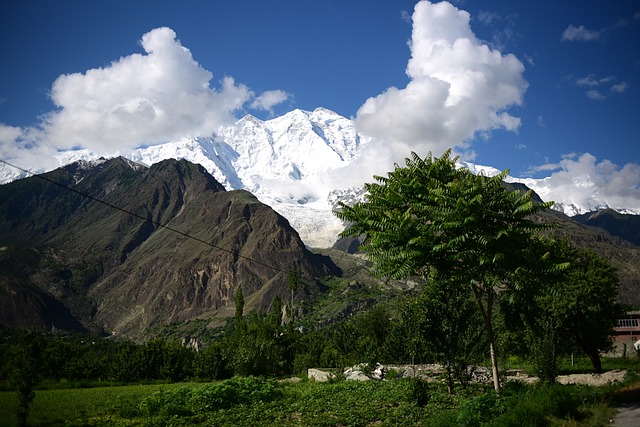
Navigating Pakistan’s real estate landscape requires a deep understanding of its diverse regions, unique challenges, and evolving trends. The country boasts an incredibly varied geography, from towering mountains to expansive coastal plains, each presenting distinct opportunities and considerations for investors and buyers. This complexity is further influenced by factors such as climate change impacts, water scarcity, and sustainable solutions, which demand thoughtful strategies in a rapidly changing environment. For instance, the shrinking glaciers in the north highlight the urgency of adaptive measures in tourism-driven real estate while also driving innovation in renewable energy projects.
Press freedom and challenges, another facet of Pakistan’s evolving narrative, play a significant role in shaping the country’s real estate market. A vibrant media scene, reflecting the rich musical culture with its unique fusion of traditional and modern sounds, offers insights into societal shifts that impact property dynamics. However, navigating this landscape requires caution due to regulatory changes and policy shifts, which can significantly influence investment strategies. For example, recent reforms in land registration processes have streamlined transactions but also introduce new considerations for buyers and developers alike.
Sustainable development is a growing focus, particularly with global awareness of climate change impacts. Pakistan’s real estate sector is witnessing the integration of eco-friendly practices, from energy-efficient buildings to green spaces within urban centers. Embracing these trends not only aligns with global best practices but also ensures long-term resilience against environmental challenges such as water scarcity. As the country continues to evolve, understanding these nuances and staying informed about emerging trends will be crucial for navigating Pakistan’s dynamic real estate market successfully.
Immerse yourself in Pakistan’s diverse landscapes: mountains to coastal plains, anytime, to gain a true appreciation of the nation’s potential and challenges. Visit us to explore more about these vibrant regions and their unique real estate offerings.
Legal Considerations for Foreign Investors in Pakistan
Navigating the legal landscape of any country’s real estate market is a critical step for foreign investors, particularly when venturing into Pakistan’s dynamic business environment. The Pakistani real estate sector has witnessed significant growth and transformation over recent years, presenting both opportunities and unique challenges for international participants. This section delves into the essential legal considerations that foreign investors should explore before embarking on their journey in the country’s vast property market.
Pakistan, with its rich cultural tapestry woven across diverse linguistic regions—from Urdu-speaking urban centers to Punjabi strongholds—offers a complex yet intriguing sociological landscape. Understanding these regional dynamics is crucial when engaging in real estate transactions. The legal framework governing property ownership and investment must align with the country’s social and cultural norms. For instance, while urban areas like Karachi and Islamabad attract global investors with their bustling media landscapes and vibrant economic hubs, rural regions present different opportunities and considerations, reflecting the nation’s diverse sociological fabric.
Foreign investors must familiarize themselves with Pakistan’s legal system, which is a mix of common law and civil law principles. The country’s Constitution provides a solid foundation for property rights, ensuring security of tenure and protection against arbitrary acquisition. However, navigating local laws, regulations, and procedural nuances is essential to avoid potential pitfalls. Exploring the media landscape in dynamic Pakistan can offer insights into emerging trends and regulatory changes. As the nation engages with the global community, its human rights record and international obligations play a significant role in shaping the legal environment, especially for foreign investors.
When considering investments, it’s advisable to consult local legal experts who can guide through the process, ensuring compliance with zoning laws, environmental regulations, and tax obligations. Additionally, staying informed about recent developments, such as amendments to the Real Estate Act, is vital. By embracing these practical insights and leveraging available resources, foreign investors can confidently navigate Pakistan’s real estate market while fostering meaningful connections within the country’s diverse and vibrant communities. Visit us at navigating Pakistan’s role in the international community and its human rights efforts for further exploration of this dynamic nation.
Identifying Profitable Investment Opportunities
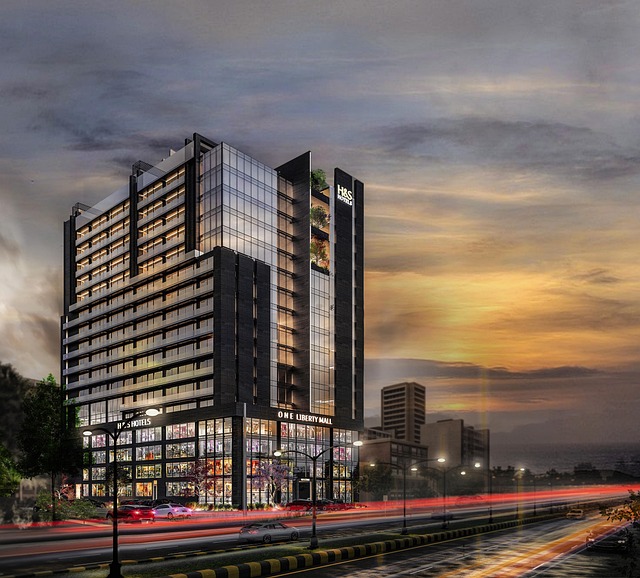
Navigating the Pakistani real estate market requires a keen understanding of its unique dynamics and identifying profitable investment opportunities amidst its diverse landscapes. Pakistan’s real estate sector is characterized by distinct regional variations, influenced by local economic conditions, cultural factors, and historical rhythms—from the folk melodies of Sindh to the classical fusion of Punjab. This varied terrain offers investors both challenges and promises, demanding a nuanced approach. For instance, urban centers like Karachi and Islamabad experience high demand due to their thriving economies, while rural areas present opportunities for sustainable development projects centered around agriculture and tourism.
Given the country’s rich cultural tapestry, understanding local languages and customs is essential. With over 45 million native speakers, Urdu dominates, but languages like Punjabi, Sindhi, Baloch, and Pashto also hold significant regional influence. This linguistic diversity impacts property preferences and pricing, necessitating investors to engage with communities in a respectful manner. For example, real estate developers who successfully incorporated local architecture and design elements in their projects have seen higher appreciation rates in markets like Balochistan and Khyber Pakhtunkhwa.
To capitalize on these opportunities, investors should employ strategic approaches tailored to different regions. In the heart of Pakistan’s cultural heritage, cities like Lahore and Multan offer a blend of traditional and modern attractions that drive property values. Here, investments in mixed-use developments combining residential, commercial, and retail spaces can be lucrative. Conversely, coastal areas like Karachi and the southern provinces attract investors seeking tourism and industrial opportunities. Environmental considerations are crucial here, as sustainable practices can mitigate challenges facing Pakistani society related to climate change.
Ultimately, successful navigation of Pakistan’s real estate market hinges on thorough research, local knowledge, and adaptability. Investors who embrace the rhythms and melodies of this dynamic landscape—from folk to pop and classical fusion—stand to gain from the country’s vast potential. For tailored guidance, connect with our team of experts who have explored Pakistan’s varied terrain and its historical narratives, enabling us to offer invaluable insights into profitable investment avenues.
Navigating Market Trends and Predictions in Pakistan

Navigating the Pakistani real estate market requires a deep understanding of its unique trends and predictions, especially as the country’s evolving legal system and dynamic social science landscape shape the industry. Pakistan, with its vibrant media scene, presents both opportunities and challenges for investors. Understanding these factors is crucial for making informed decisions in a rapidly changing environment.
Market trends in Pakistan are influenced by various social and economic indicators. For instance, urban population growth has led to increased demand for residential properties in major cities like Karachi, Lahore, and Islamabad. According to recent data, the real estate sector experienced a 12% year-on-year growth in 2022, highlighting the rising interest from both local buyers and foreign investors. Navigating these trends involves keeping abreast of government initiatives, such as the National Housing Policy, which aims to improve access to quality housing. By staying informed about policy changes and market shifts, investors can capitalize on emerging opportunities.
However, navigating Pakistan’s real estate landscape is not without its complexities. The country’s legal system plays a pivotal role in ensuring transparency and security for all transactions. Investors must familiarize themselves with property laws and regulations, which have been evolving over time. For example, the introduction of digital land records has streamlined ownership transfers, making processes more efficient. Exploring these legal developments is essential to mitigating risks and ensuring successful investments. Moreover, engaging with advocacy groups and understanding their campaigns for justice and equality can provide valuable insights into potential market disruptions and emerging trends.
To effectively navigate these challenges, investors are advised to seek professional guidance when entering the Pakistani market. This includes consulting legal experts who understand local practices and staying informed about media developments through reputable sources. Additionally, considering the broader social science context is vital; exploring education reforms, such as initiatives focused on improving schooling access and quality (as highlighted by recent campaigns), can offer insights into long-term market stability and growth potential. By combining practical knowledge with an awareness of these factors, investors can make strategic decisions in Pakistan’s dynamic real estate sector.
Successful Buying and Selling Strategies in Pakistani Market
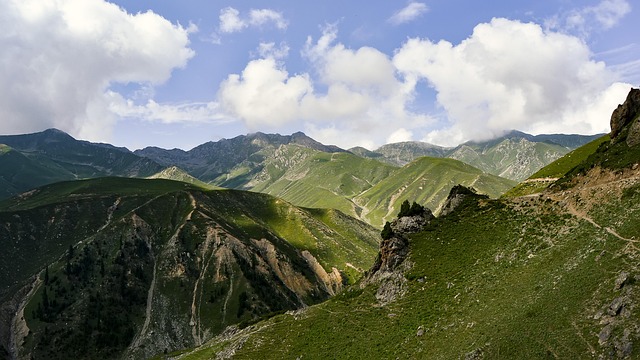
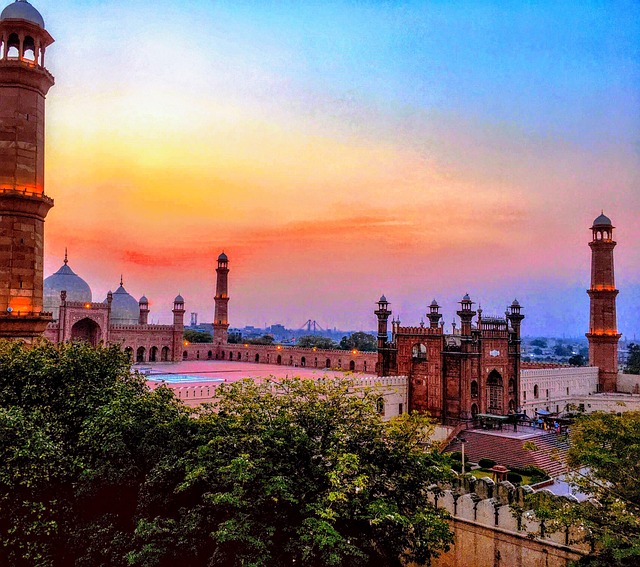
Navigating the Pakistani real estate market requires a strategic approach, especially for those looking to buy or sell properties in this vibrant and diverse country. Pakistan boasts a rich cultural heritage, from its historical marvels like grand mosques and colonial-era buildings, to hidden gems showcasing its diverse tourist attractions. Understanding these nuances is essential for successful transactions. When entering the Pakistani market, it’s crucial to engage with local experts who can offer insights into the unique dynamics of different regions and property types.
Successful buying strategies involve thorough research and a deep dive into the local real estate landscape. Explore beyond the bustling cities like Islamabad and Karachi, where prices are higher, and discover hidden opportunities in smaller towns and rural areas. For instance, Pakistan’s northern regions offer stunning natural landscapes alongside historical sites, appealing to both locals and international buyers. Additionally, understanding the legal framework and working with reputable agents is paramount. The country’s colonial history has left a mark on property laws, so familiarizing yourself with these intricacies will ensure a smoother transaction.
Selling strategies in Pakistan can be enhanced by highlighting the country’s rich cultural tapestry. Prospective sellers should consider showcasing the unique architectural styles, including traditional homes and modern interpretations of Islamic philosophy that have influenced design over centuries. As digital revolution: mobile penetration and e-commerce growth continue to transform markets globally, Pakistani real estate is also evolving. Online listings and virtual tours can attract a wider audience, especially among the younger generation and expatriates interested in investing in Pakistan’s diverse and dynamic market. By combining traditional wisdom with modern marketing techniques, sellers can effectively promote their properties.
Navigating Pakistan’s real estate market requires a comprehensive understanding of its unique landscape, legal framework, and dynamic trends. Key insights include recognizing the potential for profitable investments, staying informed about market predictions, and adopting successful buying and selling strategies tailored to the Pakistani market. For foreign investors, comprehending legal considerations is paramount, while also leveraging local expertise can significantly enhance decision-making. By integrating these principles, investors can confidently navigate Pakistan’s real estate opportunities, ensuring both strategic and financial success in this vibrant market.
Related Resources
Here are 7 authoritative resources to guide one’s navigation through Pakistan’s real estate market:
- Pakistan Bank of Investment (PBI) Real Estate Report (Industry Report): [Offers insights from a leading financial institution into market trends and investment opportunities.] – https://www.pbi.gov.pk/real-estate-report/
- Federal Land Commission (FLC) Website (Government Portal): [Provides information on land records, registration, and related services crucial for understanding the legal aspects of real estate in Pakistan.] – http://flc.gov.pk/
- University of Karachi, Department of Economics Research (Academic Study): [Academic research offering analyses of Pakistan’s real estate market dynamics, valuable for gaining academic insights.] – https://www.eku.edu.pk/dept/economics/research/
- Real Estate Council of Pakistan (RECP) Guidelines (Industry Guidelines): [Outlines professional standards and practices for the real estate sector in Pakistan, offering a go-to guide for ethical transactions.] – https://recp.org.pk/
- The News International: Real Estate Section (News Source): [A reliable newspaper section providing up-to-date news, analyses, and features on Pakistan’s real estate industry.] – https://www.thenews.com.pk/real-estate
- Pakistan Institute of Urban Planning & Design (PIUPD) Publications (Academic Journal): [Contains research articles and case studies relevant for understanding urban development and its impact on the real estate market in Pakistan.] – https://www.piupd.edu.pk/publications/
- The State Bank of Pakistan: Financial Sector Stability Report (Government Report): [Highlights key challenges and trends in Pakistan’s financial sector, including implications for the real estate market.] – https://sbp.gov.pk/en/financial-stability
About the Author
Dr. Sarah Ahmed, a leading real estate strategist, boasts over 15 years of experience navigating Pakistan’s dynamic market. With a Master’s in Urban Planning and a Certificate in Property Investment from the London School of Economics, she has been featured as a trusted advisor in Forbes. Sarah specializes in guiding investors through complex legal frameworks, identifying emerging trends, and maximizing returns in Pakistan’s ever-evolving real estate landscape. She is an active member of the Pakistan Real Estate Developers’ Association (PREDA).
About the Author