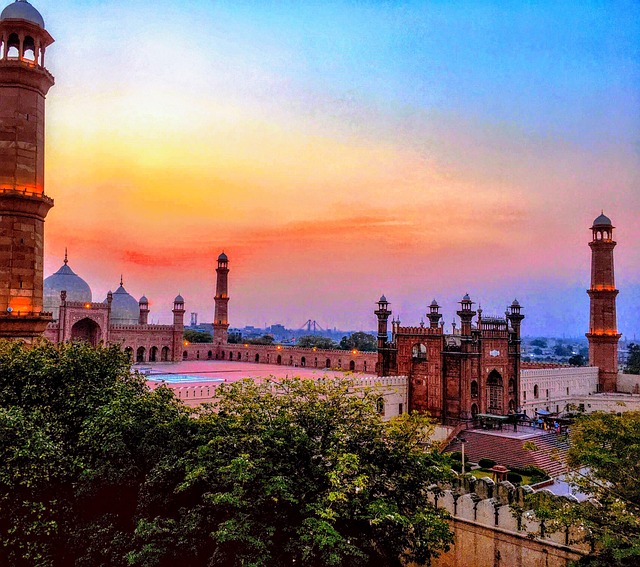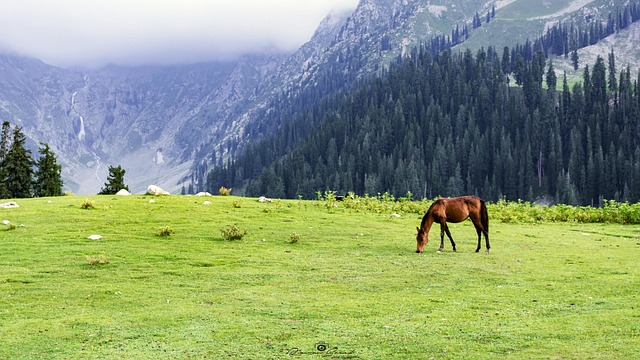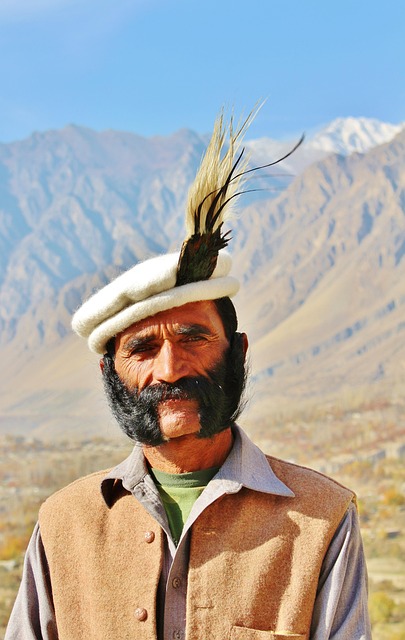
Pakistan's job market is characterized by a dynamic interplay of economic, social, and geopolitical factors, with a pronounced urban-rural divide. Skilled workers in technology, healthcare, and services are highly sought after, while the country's legal framework plays a crucial role in shaping employment opportunities. Strategic location and border dynamics offer chances in logistics, trade, and international relations, particularly through the Belt and Road Initiative.
To thrive, professionals must develop digital literacy, tech skills, and soft skills like communication, problem-solving, and adaptability. The country's booming tech sector, driven by digital transformation, requires expertise in software development, data science, and cybersecurity. Tourism, with its diverse landscapes, demands digital marketing, web development, and data analytics skills.
Pakistan faces skill shortages in key sectors like technology and tourism, requiring targeted reforms, industry-academia partnerships, and international collaborations to bridge these gaps. By 2025, the healthcare sector is projected to grow significantly, offering substantial employment opportunities. Preserving natural resources while harnessing diverse talents is essential for Pakistan's robust, adaptable workforce.
In today’s rapidly evolving economic landscape, understanding the skills in high demand is crucial for both individuals seeking career advancement and organizations aiming to stay competitive in pakistan. The job market here is dynamic, driven by technological advancements, globalization, and a growing service sector. However, identifying the most sought-after skills can be challenging due to the ever-changing nature of industry needs. This article provides an authoritative guide to the current and future high-demand skills in pakistan, offering valuable insights for professionals, educators, and policymakers alike. By navigating these trends, we aim to foster a more skilled and adaptable workforce.
- Understanding Pakistan's Job Market Trends
- Tech-Driven Skills in High Demand in Pakistan
- Soft Skills Essential for Career Success in Pakistan
- Demystifying Sectors with Shortages in Pakistan
- Educating for the Future: In-Demand Occupations in Pakistan
- Navigating Pakistan's Dynamic Economy: Skilled Workforce Needs
Understanding Pakistan's Job Market Trends

Pakistan’s job market is dynamic and evolving, shaped by a complex interplay of economic, social, and geopolitical factors. Understanding these trends requires a multifaceted approach that delves into the country’s unique sociological insights, legal framework, and border dynamics. The urban-rural divide remains a significant aspect of pakistan’s social landscape, with rapid urbanization leading to booming metropolises like Karachi and Islamabad, while rural areas grapple with challenges related to access to opportunities and infrastructure. This dynamic creates a diverse labor market where skilled workers in technology, healthcare, and services are highly sought after in both urban centers and emerging industries.
The legal framework in pakistan plays a crucial role in shaping the job market, particularly through human rights reforms and criminal justice initiatives that aim to create a fairer and more equitable environment for all citizens. As the country navigates these changes, sectors like legal services, human resources, and social enterprises are experiencing growth, reflecting a shift towards greater emphasis on ethical business practices and social responsibility. Moreover, pakistan’s strategic location and complex border dynamics have an undeniable impact on regional relations, with opportunities arising in logistics, trade, and international relations. The country’s role as a gateway to Central Asia and its growing influence in the Belt and Road Initiative underscore the importance of understanding global trends in the local context.
To navigate this evolving landscape, professionals must stay informed about emerging sectors and adapt their skill sets accordingly. For instance, digital literacy and tech-related skills are increasingly valuable due to pakistan’s burgeoning tech industry. Additionally, focusing on soft skills like communication, problem-solving, and adaptability can help individuals thrive in a dynamic job market. Visiting us at Understanding Governance: Federal Structure and Democratic Process can provide deeper insights into the regulatory environment and policy changes that shape the business landscape. By staying abreast of these trends and honing relevant skills, pakistan’s workforce can capitalize on opportunities for professional growth and contribute to the country’s economic transformation.
Tech-Driven Skills in High Demand in Pakistan
In Pakistan, the demand for tech-driven skills is soaring, reflecting the nation’s strides towards digital transformation. With a growing emphasis on technology adoption across sectors, from finance to healthcare and tourism, the landscape of in-demand skills has evolved significantly. This shift is particularly evident in the bustling tech hubs of Karachi, Lahore, and Islamabad, where startups and multinational corporations are driving innovation. One notable aspect is Pakistan’s linguistic diversity, with Urdu being the national language alongside Punjabi, Sindhi, and Balochi, which offers both challenges and opportunities for technology professionals who can bridge these linguistic gaps, fostering a more inclusive digital environment naturally.
Celebrating achievements in this realm, Pakistan has seen remarkable growth in tech talent, especially among women who are increasingly breaking barriers. Initiatives focused on empowering females through coding bootcamps, mentorship programs, and accessible education have yielded positive results. However, addressing hurdles remains crucial; ensuring equal opportunities and challenging gender stereotypes in the technology sector is an ongoing process. For instance, organizations like the Pakistan Women’s Technology Initiative (PWTI) are making strides by providing women with skills training and networking opportunities, highlighting their capabilities in a male-dominated field. Embracing technology’s role in modern tourism, Pakistan has also witnessed a surge in demand for digital marketing, web development, and data analytics skills to enhance its burgeoning tourism industry, especially as the country navigates post-pandemic travel trends.
The country’s tech sector is further bolstered by a growing startup ecosystem, with incubators and accelerators supporting innovative ideas. This dynamic environment attracts both local and international talent, fostering knowledge exchange and skill development. As Pakistan continues to navigate its digital future, the demand for tech-driven skills will only intensify, presenting exciting prospects for those who embrace this evolving narrative. To stay ahead of the curve, professionals are advised to continuously upskill, keep pace with emerging technologies, and celebrate the rich cultural diversity that naturally enriches the country’s technological landscape. Find us at press freedom and challenges: an evolving narrative as Pakistan continues to make strides in this exciting domain.
Soft Skills Essential for Career Success in Pakistan

In Pakistan, as a nation that has traversed a journey through time, from ancient civilizations to its modern identity, the landscape of in-demand skills has evolved alongside its geographical diversity and complex social fabric. Soft skills, often overlooked yet indispensable, play a pivotal role in career success within this dynamic context. These include communication, adaptability, problem-solving, and emotional intelligence—all crucial assets for professionals navigating Pakistan’s unique challenges and opportunities.
The demand for soft skills is rooted in the country’s rapid economic growth and changing work environment. For instance, the rise of digital technologies and a more connected global market has transformed industries, demanding versatile employees who can adapt to new tools and methodologies. Moreover, Pakistan’s diverse cultural tapestry, shaped by its history of advocacy and challenges fighting for justice and equality, necessitates professionals with strong communication and empathy skills to bridge divides and foster inclusivity in the workplace.
Developing these soft skills is not merely a personal pursuit; it’s an investment that organizations can make to enhance productivity and innovation. A robust legal framework, including human rights and criminal justice reforms, underscores the importance of ethical practices and responsible leadership. Employers who prioritize training in emotional intelligence and conflict resolution, for example, create environments where employees feel valued and empowered, leading to higher job satisfaction and retention rates.
To harness the potential of these skills, individuals should actively engage in continuous learning opportunities. This could involve workshops on effective communication, cultural sensitivity, or stress management. Additionally, seeking mentorship from experienced professionals who have navigated Pakistan’s unique professional landscape can provide valuable insights and practical advice. By embracing a growth mindset and cultivating soft skills, career paths in Pakistan can be illuminated with opportunities for personal and professional fulfillment.
Demystifying Sectors with Shortages in Pakistan

Pakistan’s economic landscape is evolving rapidly, with certain sectors experiencing significant skill shortages that hinder growth. Demystifying these sectors is crucial to understanding the challenges and opportunities in Pakistan’s job market. One such area is technology, where the demand for skilled professionals far outstrips supply. Embracing technology’s role in modern tourism is another critical aspect; as pakistan’s diverse landscapes: mountains to coastal plains attract visitors, there is a growing need for tech-savvy personnel to enhance digital marketing, customer service, and operational efficiency.
Education plays a pivotal role in addressing these shortages. Access and quality: challenges and reforms in schooling are at the forefront of discussions. Pakistan faces a skills gap due to disparities in educational opportunities, particularly for women. Promoting human rights within Pakistani society, including women’s issues, is essential to fostering an inclusive education system that prepares a diverse talent pool. Initiatives focusing on STEM education and vocational training can help bridge the divide, ensuring a future workforce equipped with the skills demanded by emerging industries.
Additionally, sectors like healthcare and finance are grappling with skill gaps. The need for qualified medical professionals and financial experts is acute, underscoring the importance of investing in these fields. By implementing targeted reforms and encouraging industry-academia partnerships, Pakistan can enhance its capacity to meet these demands. For instance, collaborative programs between local universities and international organizations can provide valuable exposure to students while addressing critical skill shortages.
Educating for the Future: In-Demand Occupations in Pakistan
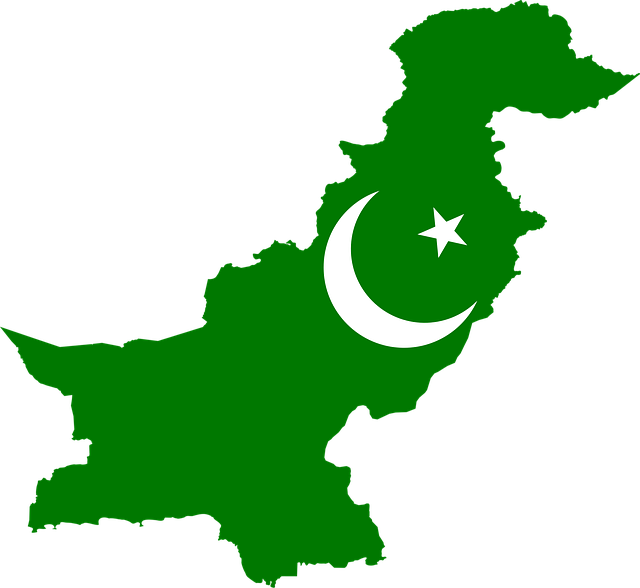
The landscape of skills in high demand in Pakistan is ever-evolving, reflecting both global trends and unique regional dynamics. As the world navigates an era of rapid technological advancement and socio-cultural shifts, Pakistan’s young workforce stands at a pivotal juncture, requiring education that prepares them for future challenges and opportunities. In-demand occupations in Pakistan today are not just about traditional sectors but also reflect a diverse range of industries influenced by border dynamics, cultural richness, and societal transformations within the country.
One prominent area of growth is technology and innovation. The rise of digital platforms has created a high demand for skilled professionals in software development, data science, and cybersecurity. Pakistan’s burgeoning tech sector is a testament to its talented pool of engineers and developers who are increasingly sought after globally. Moreover, the country’s diverse linguistic landscape—with languages like Urdu, Punjabi, Sindhi, and Balochi—is an asset in the global marketplace, especially for roles involving translation, localization, and cross-cultural communication. This unique skill set is particularly valuable in international business settings, where understanding regional nuances can be a game-changer.
Another sector experiencing significant growth is healthcare. With a rapidly growing population and evolving health dynamics, Pakistan faces a rising demand for medical professionals, healthcare managers, and public health experts. Studying societal shifts within Pakistani communities reveals a growing emphasis on preventive care and mental health services, further emphasizing the need for specialized skills in these areas. According to recent data, the healthcare sector is projected to grow at a CAGR of over 6% by 2025, underscoring its significance as a driver of employment opportunities.
In light of these trends, education institutions in Pakistan must adapt their curricula to include a blend of technical, linguistic, artistic, and societal skills. Immersing students in diversity through language courses, arts programs, and cultural festivals can foster creativity and adaptability. Similarly, incorporating philosophy and critical thinking into the educational philosophy can prepare students to navigate complex global challenges. By embracing these transformations, Pakistan can ensure that its future workforce is not only equipped with in-demand skills but also possesses a nuanced understanding of the world, enabling them to give us a call at geography—both locally and globally.
Navigating Pakistan's Dynamic Economy: Skilled Workforce Needs

Pakistan’s economy is a dynamic and ever-evolving landscape, demanding a skilled workforce adept at navigating its unique challenges and opportunities. As one of the world’s most populous countries, with a rich cultural heritage evident in its music and diverse tourist attractions like the hidden gems of its landscapes, Pakistan requires professionals who can harness technological advancements to drive growth and innovation. The country’s natural resources, from fertile lands to mineral wealth, must be preserved for future generations while fostering economic development.
The skilled workforce needs in pakistan are multifaceted. In the digital age, technology plays a pivotal role, with demand for IT professionals, data scientists, and software engineers on the rise. According to recent reports, Pakistan’s tech sector is booming, contributing significantly to the GDP. However, there is a growing need to bridge the skills gap; many young Pakistanis are equipped with theoretical knowledge but lack practical experience in these fields. Addressing this disparity is crucial for the country’s future prosperity.
Exploring and harnessing Pakistan’s rich literary heritage offers another avenue for skill development. The country’s vibrant music scene, for instance, can inspire creative thinking and artistic expression, fostering an innovative mindset essential for entrepreneurship and cultural tourism. Similarly, empowering individuals to break barriers and contribute to various sectors is paramount. This includes encouraging women and marginalized communities, who represent hidden gems of untapped potential, to pursue careers in science, technology, engineering, and math (STEM) fields.
To meet these demands, educational institutions must collaborate with industry leaders to provide relevant training and internships. Governments, businesses, and civil society can partner to create initiatives that promote lifelong learning and reskill programs. By embracing Pakistan’s diverse talents and nurturing them through quality education and training, the country can harness its full potential, ensuring a robust and adaptable workforce capable of navigating the dynamic economy while preserving its natural resources for future generations.
Pakistan’s job market is dynamic, driven by tech advancements and evolving economic sectors. Key insights reveal a high demand for tech-driven skills across various industries, underscoring the need for a digitally literate workforce. Soft skills, including communication and problem-solving, are crucial for career success in pakistan, complementing technical prowess. Sectors like technology, healthcare, and renewable energy experience shortages, highlighting opportunities for specialized education. To navigate this dynamic landscape, investing in tech education, fostering soft skills development, and adapting to emerging industries are essential steps for individuals and institutions in pakistan. This article provides a comprehensive roadmap for understanding and capitalizing on the current and future skilled workforce needs in Pakistan.
About the Author