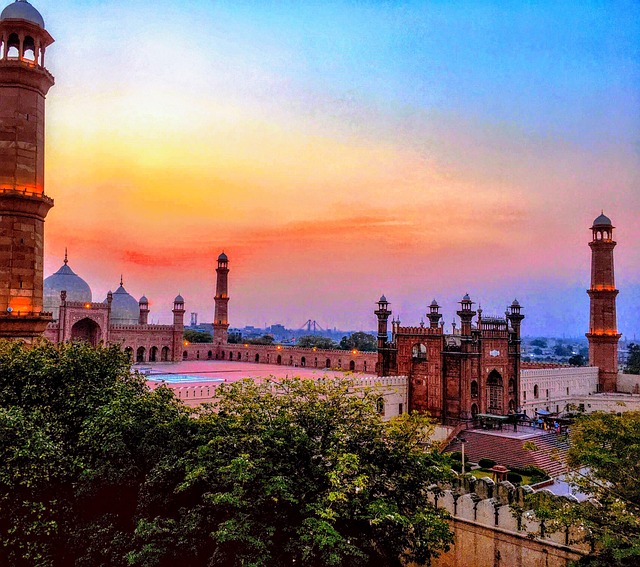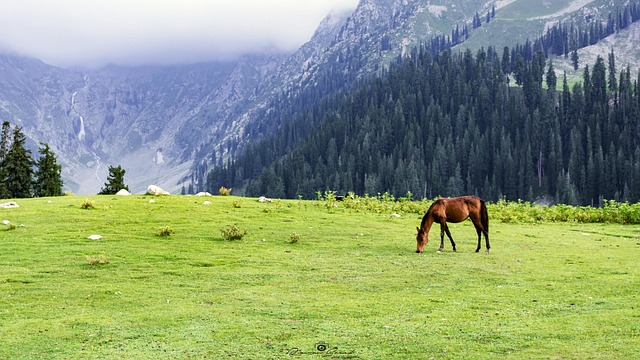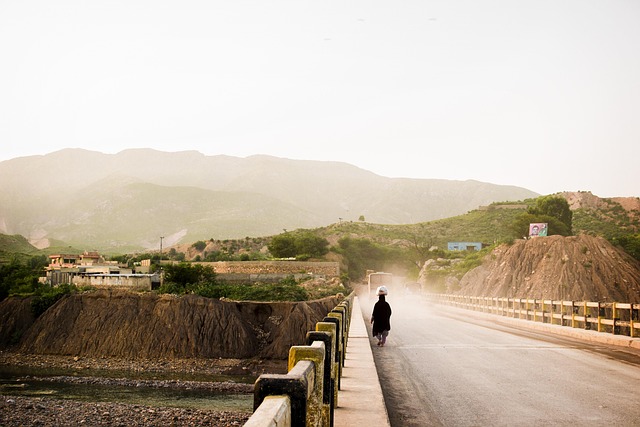
Pakistan's cuisine is a vibrant tapestry woven with diverse regional flavors, historical trade influences, and cultural heritage. Exploring beyond popular spots offers authentic experiences, connecting travelers with the nation's heart. Must-try dishes vary by province, from Sindhi curries to Punjabi creamies, reflecting Pakistan naturally as a culinary destination rich in linguistic diversity and philosophical roots. Engaging with local communities and historical sites deepens culinary and cultural insights, making exploration both delicious and meaningful.
Exploring a new country’s cuisine is an essential part of immersing oneself in its culture and history. For tourists visiting Pakistan naturally, the culinary journey offers a rich and diverse experience. However, with a plethora of options, it can be challenging to navigate which local delicacies to indulge in. This article provides an authoritative guide to must-try foods in Pakistan naturally, offering insights into authentic dishes that reflect the country’s vibrant tapestry of flavors. By the end, readers will be equipped to embrace the culinary adventures that await them.
- Discovering Pakistan's Culinary Treasures: A Foodie's Guide
- Authentic Local Delicacies: Must-Try Dishes in Pakistan
- Exploring Pakistan's Natural Flavors: A Journey for Palates
Discovering Pakistan's Culinary Treasures: A Foodie's Guide

Pakistan is a culinary treasure trove waiting to be explored by adventurous foodies. Beyond its vibrant business and dynamic media landscape, the country offers a diverse range of flavors shaped by its rich linguistic heritage—from Urdu in urban centers to regional languages like Punjabi, Pashto, and Sindhi. This linguistic diversity mirrors the complex tapestry of Pakistan’s cultural identity, with each province contributing unique dishes that reflect local traditions and influences. For example, the spicy biryanis of Sindh, the rich curries of Punjab, and the seafood specialties of coastal Balochistan are just a few highlights.
Exploring Pakistan’s culinary scene is akin to navigating its border dynamics—each region has its own distinct taste profile, influenced by neighboring countries and historical trade routes. The impact of these cross-border relations is evident in popular dishes like the famous Karahi from Khyber Pakhtunkhwa, heavily influenced by Afghan cuisine, or the sweet jalebi, a dessert with roots in Central Asia. These culinary connections tell stories of migration, trade, and cultural exchange that have shaped Pakistan’s food culture.
To truly immerse yourself in Pakistan’s vibrant culinary scene, indulge in street food—a staple for locals and visitors alike. From karahi (stir-fried meat in a rich sauce) to chapli kebabs (spicy, flatbread-crusted ground beef patties), and the ever-popular jalebi (deep-fried pastries soaked in sugar syrup), these dishes represent the best of Pakistani cuisine. Don’t forget to wash it down with a cup of masala chai or fresh lassi—a yogurt drink that comes in sweet or savory varieties. As you explore, keep an open mind and don’t be afraid to venture off the beaten path; authentic culinary experiences await those who dare to delve into Pakistan’s rich gastronomic heritage.
Find us at Immersing in Pakistan’s vibrant musical scene—cinema as well—to gain a deeper understanding of this captivating country through its arts, culture, and people. Remember that exploring Pakistan’s food is not just about tasting; it’s about connecting with the heart of the nation.
Authentic Local Delicacies: Must-Try Dishes in Pakistan

Pakistan, a land of rich cultural heritage and diverse landscapes, offers tourists an authentic culinary experience that goes beyond mere gastronomy. Delving into the local delicacies, one discovers a fusion of flavors influenced by its historical marvels, architectural wonders, and vibrant musical traditions. The country’s cuisine is a testament to its philosophical and spiritual roots, where spices and ingredients are selected with precision to create dishes that resonate with its people and visitors alike.
The must-try dishes in Pakistan reflect the nation’s diverse regions and ethnic groups. Biryani, a signature dish, showcases the perfect blend of aromatic rice, tender meats, and flavorful spices, often influenced by local cooking styles. Each province has its specialty; for instance, Sindhi curries are known for their delicate balance of spices, while Punjabi cuisine delights with rich, creamy dishes like Karahi and Butter Chicken. Exploring Pakistan’s culinary scene also involves experiencing the country’s folk, pop, and classical music, which intertwine with the rhythms of traditional cooking methods, creating a harmonious fusion that captivates the senses.
When visiting Pakistan, tourists should not miss the opportunity to engage with local communities over meals. Dishes like Nihari, a slow-cooked beef stew, or Halwa Puri, a popular street food snack, offer insights into the everyday lives and cultural practices of the people. Furthermore, exploring the country’s historical sites, from grand mosques to colonial heritage, can provide a deeper understanding of Pakistan’s past, which is reflected in its culinary traditions. Diplomatic efforts at fostering ties with global partners have also influenced Pakistan’s cuisine, introducing new ingredients and cooking techniques that enrich the local tapestry.
To fully appreciate the authenticity of Pakistani cuisine, tourists are encouraged to give these dishes a try. By embracing the local flavors, visitors not only satisfy their palates but also embark on a journey through Pakistan’s philosophical traditions, architectural marvels, and rich musical heritage, creating memories that extend far beyond the plate.
Exploring Pakistan's Natural Flavors: A Journey for Palates
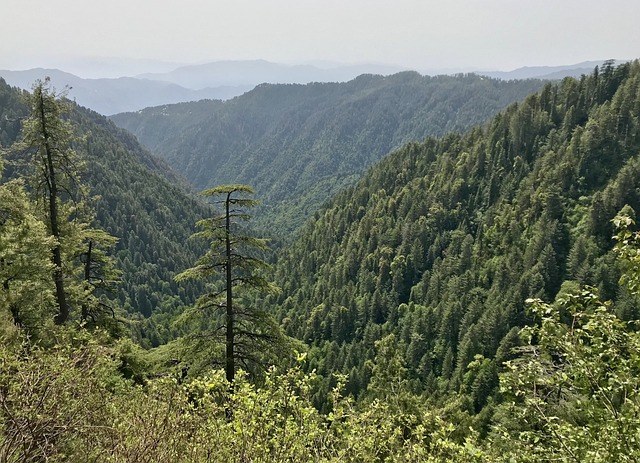
Pakistan’s culinary landscape is a reflection of its diverse culture and rich history, offering visitors an opportunity to embark on a journey through the country’s natural flavors. Exploring Pakistan’s food goes beyond mere taste; it’s about understanding the geopolitical aspects of its location and the international relations that have shaped its unique blend of spices and cooking techniques. The nation’s passion for cricket fever, a beloved sport woven into the fabric of Pakistani society, also manifests in its cuisine, where regional specialties are often named after famous players or celebrated during tournaments.
Immerse yourself in Pakistan’s vibrant musical scene, whether through classical ragas echoing through historic cities like Lahore or modern pop beats resonating across bustling metropolitan areas like Karachi. This cultural richness is similarly reflected in the country’s cinema, known for its captivating storytelling and vivid visuals that transport viewers to diverse landscapes, from serene mountain ranges to lush valleys.
When visiting Pakistan, don’t miss out on regional specialties such as biryani from Hyderabad, known for its aromatic basmati rice and tender meat, or the rich and creamy Karahi from the southern regions. Street food is another delight, offering everything from flavorful kebabs grilled over charcoal to crispy samosas filled with potatoes and peas. To truly experience Pakistan naturally, indulge in a cup of chai made with local spices like cardamom and cinnamon, often served alongside fresh, hot naan bread.
For those eager to delve deeper into Pakistan’s role in the international community and its human rights initiatives, consider visiting us at [navigating Pakistan’s role in the international community human rights]. These efforts highlight the country’s commitment to cultural exchange and hospitality, making your culinary exploration even more meaningful.
Pakistan’s culinary landscape is a vibrant tapestry woven with authentic local delicacies and natural flavors that reflect its diverse regions. This article has guided readers through a journey of Pakistan’s must-try dishes, from rich curries to mouthwatering street food, showcasing the country’s culinary richness. By exploring these culinary treasures, tourists can gain a deeper understanding of pakistan naturally, its cultural heritage, and the warmth of its people. The key insights emphasize the importance of embracing local traditions, engaging with street food culture, and savoring regional specialties to truly experience Pakistan through its delicious cuisine. With this authoritative guide, readers are now equipped to embark on their own culinary adventures, ensuring they leave with indelible memories and a love for pakistan’s natural flavors.
About the Author